

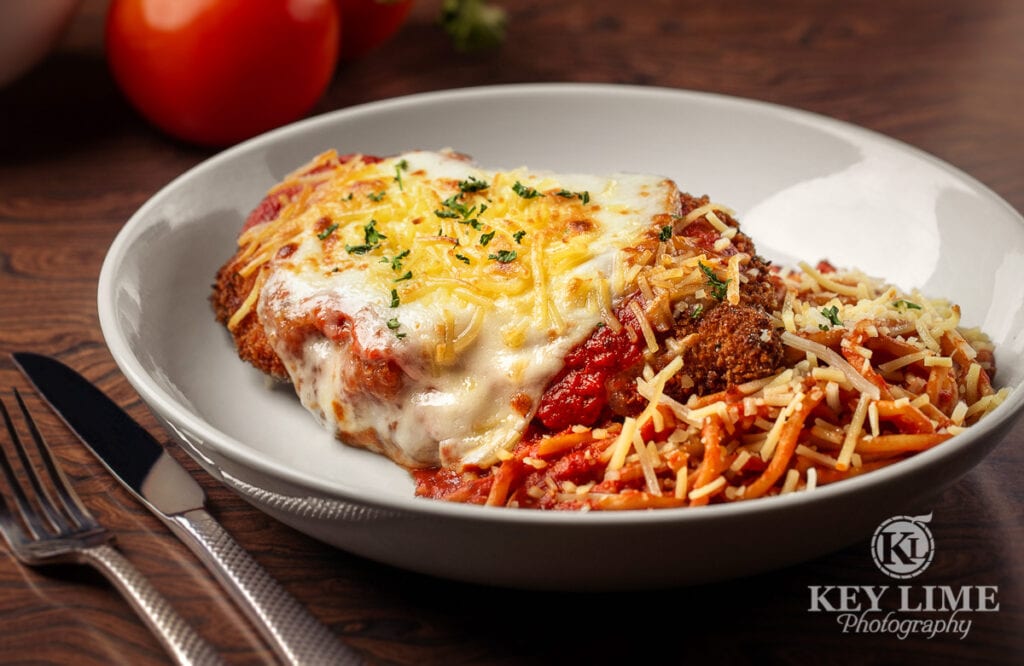
What Makes Restaurant Photography Stand Out in a Competitive Dining Market?
In a competitive dining market, exceptional food and restaurant photography is more than a visual enhancement. It is often the first interaction potential guests have with your brand. From Google Business Profile and reservation platforms to social media and your website, high-quality images shape first impressions, build trust, and influence dining decisions.
Key Takeaways
- Standout restaurant photography combines appetizing food images, authentic atmosphere shots, and clear brand storytelling into one cohesive visual identity.
- On Google, reservation platforms, and social media, the photos usually decide where a guest books before they ever read a review or scan the menu.
- Lighting, composition, styling, and post-processing are what separate professional food photography from a nice smartphone snapshot.
- Strong photography drives real appetite appeal, and appetite appeal drives reservations.
- Partnering with a specialist food photographer in Las Vegas like Key Lime Photography helps restaurants, cafés, bars, and hotels consistently attract the right guests across every marketing channel.
Ready to Elevate Your Restaurant’s Visual Brand?
Looking to make your restaurant stand out before guests even walk through the door? Key Lime Photography creates professional food and restaurant photography in Las Vegas that helps restaurants, bars, cafés, and hotels capture attention and make a lasting first impression.
Contact Us Now!Why Visual First Impressions Matter More Than Ever
Guests Decide with Their Eyes First
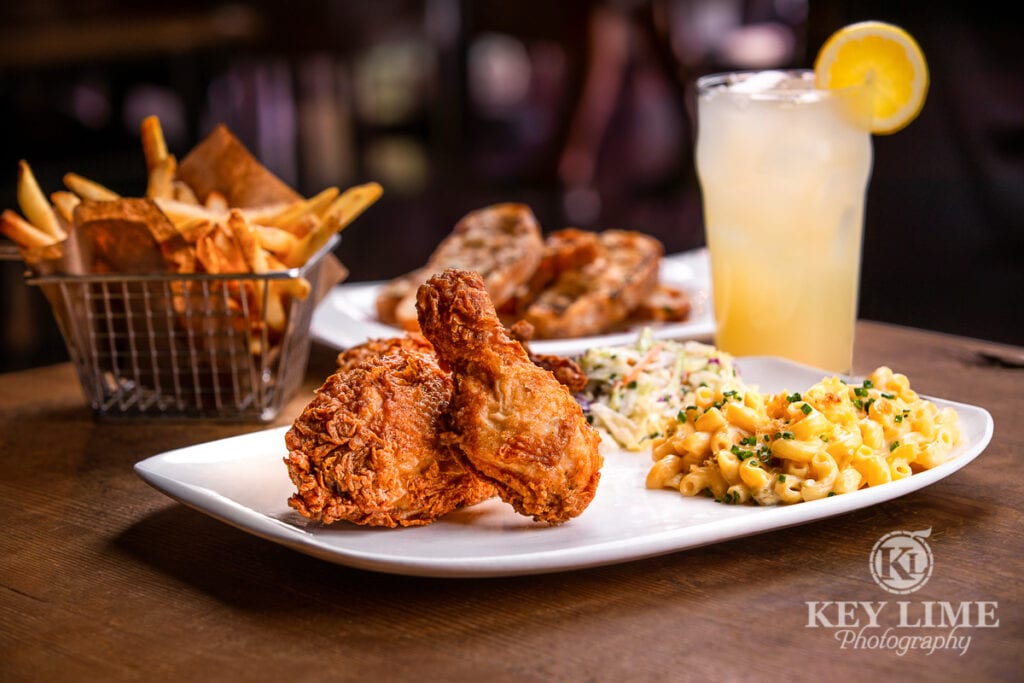
Picture a guest in Vegas this July, sitting in a hotel room, scrolling Google Maps or OpenTable for dinner options on the Strip. They’ll see food photos, bar scenes, and dining room shots long before they read a single review. Most diners browse photos before they browse the menu, which makes restaurant photography the real front door of a hospitality business, whether the door is open at 5 p.m. or 2 a.m.
Industry research on food photography consistently points in the same direction: strong images influence ordering decisions more than written descriptions do, and they often carry as much or more weight than reviews. High-quality photos build appetite appeal across Google Business Profile, Yelp, TripAdvisor, OpenTable, SevenRooms, and direct booking engines alike. Restaurants that invest in a consistent, professional photo library tend to see stronger engagement on social content and more same-day walk-ins from scroll-stopping shots on Instagram, TikTok, and Facebook.
In a visually crowded market, a blurry or underlit photo can undercut a restaurant even when the food itself is excellent. Vegas diners have options on every block; the photo is often the tiebreaker.
Strong Photography Builds Trust Before Guests Even Arrive
Good photography does more than look nice; it signals cleanliness, consistency, and attention to detail before a guest ever books. Polished table settings, accurate portion sizes, and real interiors set expectations honestly. Authenticity matters here: if what shows up on the plate doesn’t match what showed up on Instagram, that’s exactly the kind of gap that ends up in a one-star review.
Visual menus also reduce guesswork, especially on delivery apps where there’s no server around to answer “what’s good here?” And when the same polished, consistent professional images appear across your website, delivery platforms, and social feeds, the restaurant reads as established and reliable, not thrown together. For tourists booking sight unseen, that trust is often the difference between a reservation and a scroll past.
👉Also Read: What Common Food Photography Mistakes Are Las Vegas Restaurants Making?
What Makes Professional Restaurant Food Photography Stand Out?
Lighting That Makes Food Look Fresh
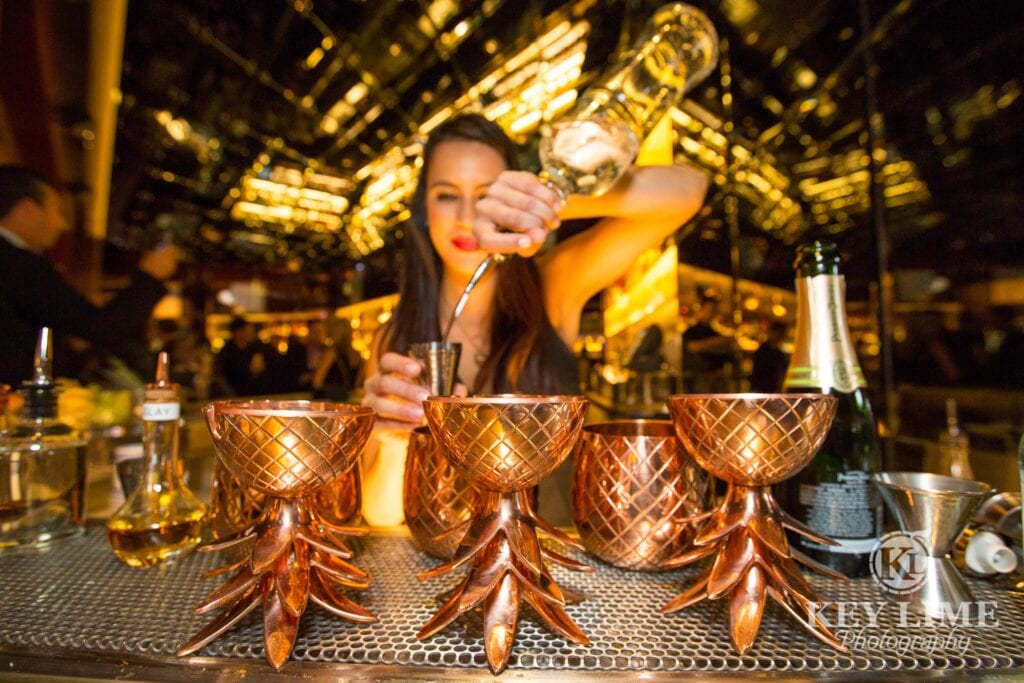
Soft, directional light brings out texture and freshness. Natural light works best near windows, diffused through curtains, roughly between 10 a.m. and 2 p.m. for even, flattering results. In dim dining rooms and cocktail bars, professional photographers bring their own lighting to balance the ambiance without flattening the mood of the room.
Controlled lighting is what reveals the details that sell the dish: the sparkle on a chilled cocktail glass, steam lifting off a ribeye, the sheen on a chocolate dessert. Harsh overhead lighting, orange color casts, and deep shadows do the opposite; they make good food look greasy or dull.
Composition That Guides the Eye
Different dishes call for different angles. A 0 to 45-degree angle suits stacked items like burgers, layered desserts, or a tall glass of craft beer. A 90-degree overhead angle works for shared plates, flatbreads, and a full table spread. The right angle draws the eye straight to the hero element instead of fighting the plate for attention.
Layered composition adds depth: a garnish up front, the plate in the middle, atmosphere in the background. Multiple angles of the same dish give you more to work with across channels. And composition should always be shot with marketing use in mind, negative space for text overlays, safe zones for cropping, and both vertical and horizontal variations for social and web.
Styling That Reflects the Restaurant’s Personality
Styling shapes how a dish reads emotionally. Minimalist ceramics and monochrome tableware suit a modern tasting menu; rustic wood and coarse linen suit a smokehouse. Chefs and food stylists work together to keep portion sizes, colors, and garnishes true to what guests actually receive, because food only holds its fresh look for a short window once it’s plated, so timing with the kitchen matters.
The line to watch is over-staging. Good styling looks like an elevated version of the real dish, not a studio trick that sets guests up for disappointment. A poolside cocktail needs different styling than a dim speakeasy pour or a loud sports bar pint, and a photographer who’s shot all three in Vegas will know the difference at a glance.
Capturing Drinks That Look Just as Good
Drinks deserve their own attention in any food shoot. Backlighting through citrus and spirits shows off translucency. Condensation on the glass, a foamy beer head, crema on an espresso- these details all read as “fresh.” A pour shot or a cocktail mid-shake adds motion to what would otherwise be a still image.
Plan for both close-up hero shots and context shots: a cocktail at the bar, wine at a table, a frozen drink by the pool. These images end up supporting bar menus, room-service promotions, and seasonal campaigns long after the shoot wraps.
👉Also Read: What Las Vegas Food & Beverage Photographers Do (And Why Restaurants Need Them)
Restaurant Photography Is About More Than the Food
Showing the Full Dining Experience
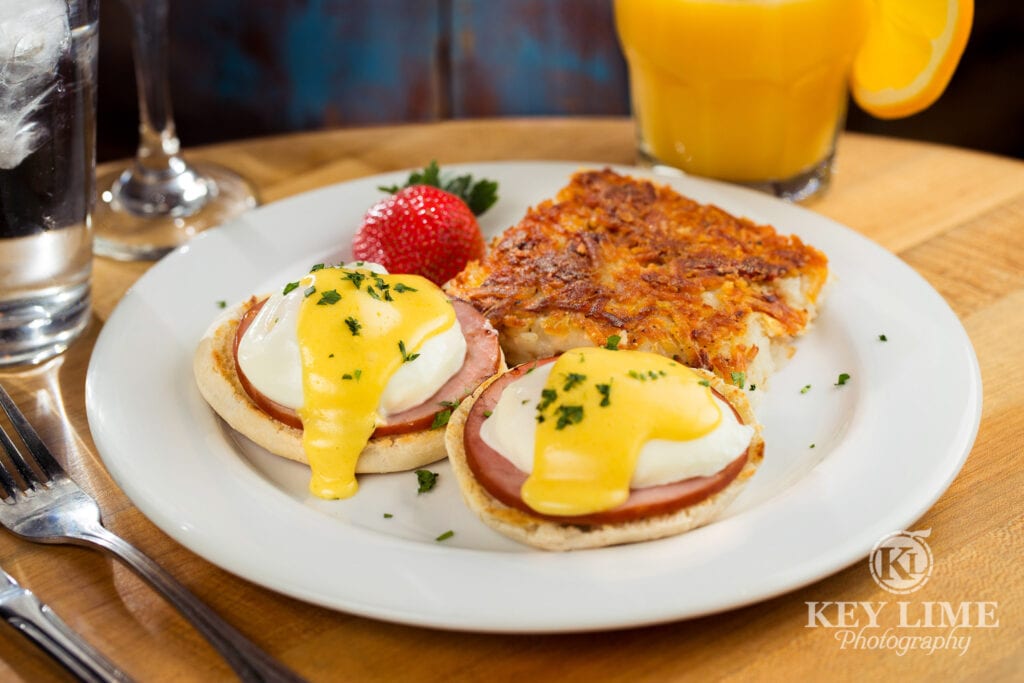
Interiors, exteriors, bar areas, private dining rooms, and open kitchens all shape a guest’s decision alongside the food. Wide shots of the dining room at golden hour, tabletop detail shots, chefs working the line, a bartender flaming a garnish- these scenes tell a fuller story. When guests appear in frame, capturing real, unposed enjoyment (with the right permissions) sells the experience of dining there, not just the plate.
Creating Images That Tell a Brand Story
Food carries emotion, celebration, comfort, nostalgia, and photography that connects to those feelings turns a photo into a reason to book. A sleek rooftop lounge with skyline views tells a different story than a family-friendly brunch spot with bright colors and shared plates, and the photography should tell each story differently. A consistent color palette, editing style, and set of recurring visual details reinforce what guests remember about a place, whether that guest is a local regular or a tourist who ate there once.
How Professional Photography Supports Restaurant Marketing In Las Vegas
Websites That Convert Visitors into Diners
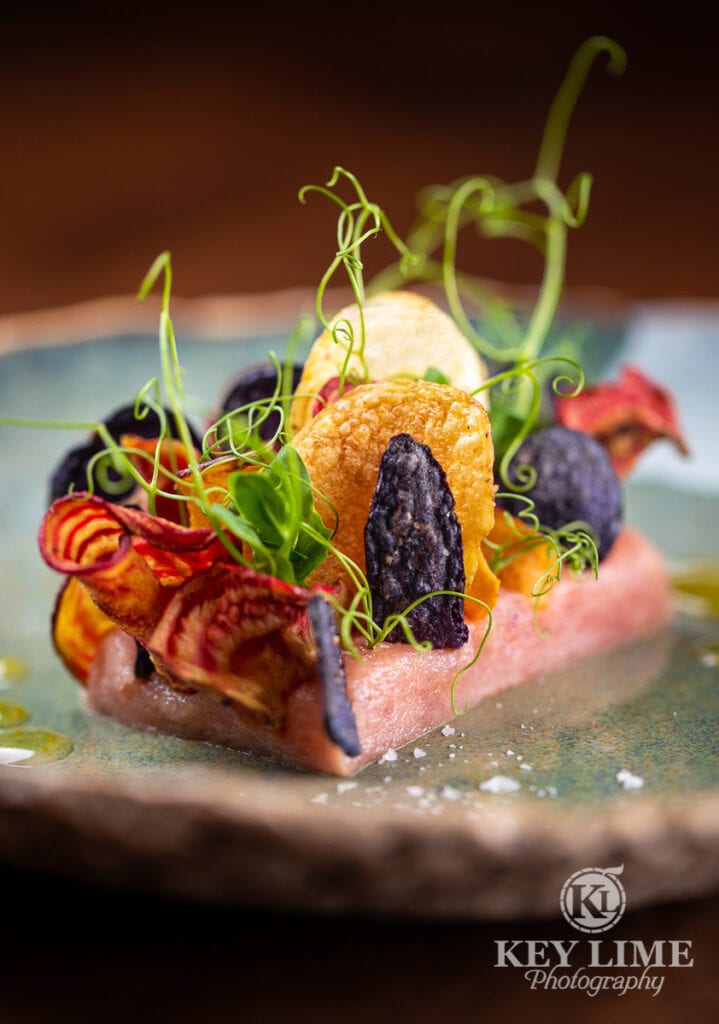
A strong hero image of a signature dish or a lively dining room keeps visitors on the page longer and pushes more clicks to “Reserve.” Menu galleries organized by category- starters, mains, desserts, cocktails- perform better than an unstructured photo dump. Chef and team portraits humanize the “About” page.
Menus and Online Ordering
Photographed menu items tend to outsell unphotographed ones, and strategic photography can lift average check size when it’s used to highlight higher-margin dishes. Prioritize photographing signature cocktails, steaks, tasting menus, and standout desserts. Accuracy matters most here: what the guest sees on screen should match what lands on the plate, which cuts down on complaints and refunds on delivery apps.
Social Media Content
One well-planned shoot can fuel months of posts. Content themes worth building around: new menu launches, chef specials, seasonal cocktails, behind-the-scenes cooking, and guest moments. Mixing polished photography with the occasional candid shot keeps the feed feeling authentic instead of overly produced. Plan vertical, mobile-friendly compositions with room for captions and graphics in Stories and Reels.
Advertising and Public Relations
Print ads, magazine features, billboards, and airport signage all need high-resolution imagery. PR teams are more likely to feature a restaurant that already has strong, licensed photography ready to go. Planning a shoot with multiple end uses in mind lets the same core images adapt across Meta ads, Google Display banners, and hotel in-room marketing screens. A few clean shots with generous negative space give designers room to add headlines and logos later.
How Professional Food Photographers Help Restaurants Stand Out from Competitors
A Consistent Visual Identity
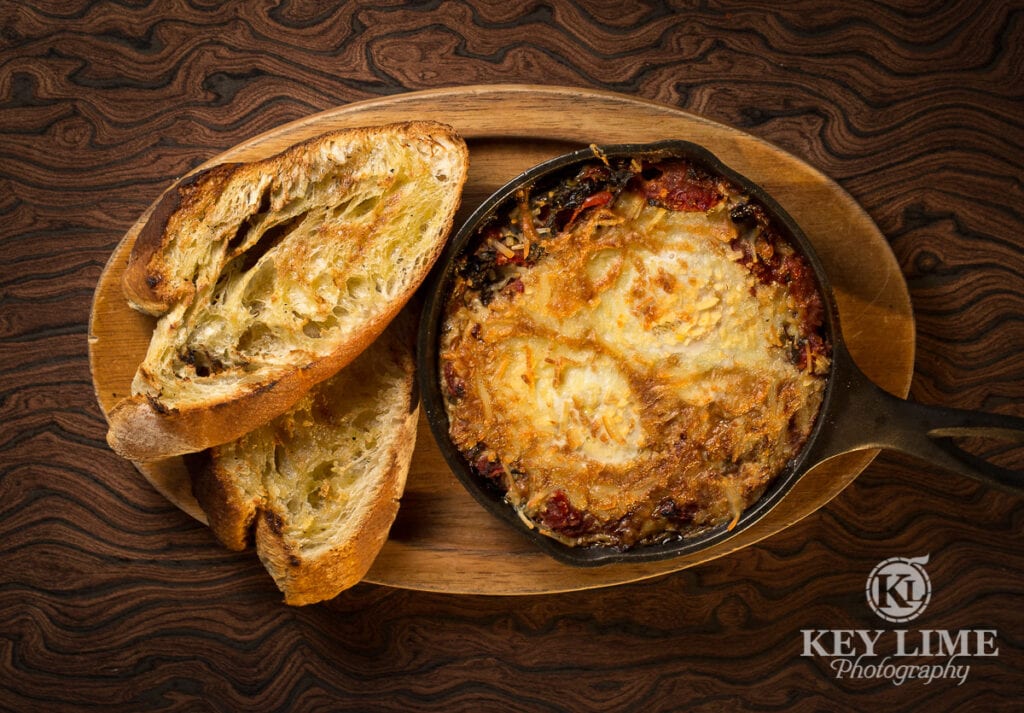
Recognizable brands keep their lighting, color grading, and composition consistent across food shots, interiors, and staff portraits, so a post is identifiable even out of context on a feed. Consistent post-processing also keeps colors accurate across devices and print, avoiding the mismatched look that comes from stitching together images shot at different times with different gear.
Highlighting What Makes the Restaurant Unique
Identify the differentiators: a wood-fired oven, a chef’s counter, tableside preparation, a regional ingredient, and build hero shots around them for use across every channel. In a market as visually loud as Vegas, small signature details, neon signage, rooftop views, and casino adjacency can be exactly what tips a guest’s decision.
Staying Competitive in a Visual Marketplace
Guest expectations keep climbing as they see more polished food photography from restaurants and influencers everywhere. Refresh photography once or twice a year, and any time the menu or interior changes. Consistently updated visuals tell guests the restaurant is active and still invested in the experience, not coasting on old photos.
👉Also Read: Is Hiring a Professional Food Photographer Worth It?
Why Hiring a Professional Food and Drink Photographer Is Worth It
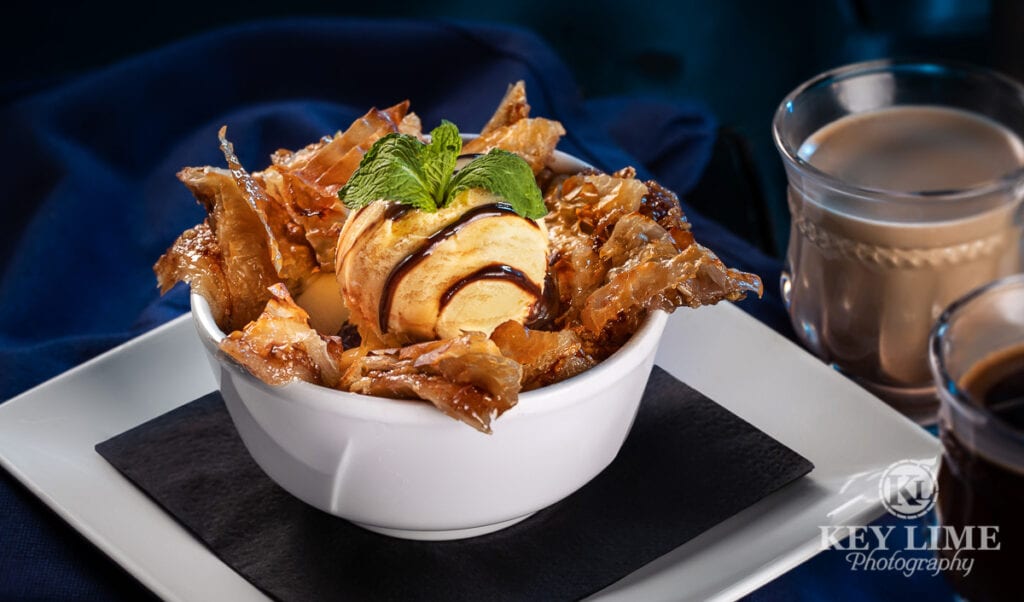
Every shoot starts with a pre-production plan and a shot list, so expectations are aligned before anyone shows up. Good pre-production accounts for prep, shoot, and editing time, and plans for the different output sizes a restaurant actually needs, from a wide hero banner down to a tight delivery-app thumbnail.
Professional photographers bring the right camera setups, lenses, and lighting for the job, along with tethered shooting so chefs and marketing teams can review images in real time during the shoot rather than waiting for a delivery. One well-planned session can produce a versatile image library that supports months of campaigns, which keeps the cost per use low over time.
How Do You Choose the Right Restaurant Photographer for Your Brand?
Look for a portfolio with recent restaurant, hotel, and bar work, not just still-life or hobby photography. Ask about licensing terms, turnaround times, and how the images can be used across menus, websites, third-party apps, and ads before booking.
The right photographer works with owners, chefs, and marketing teams to build a shot list around actual business goals, schedules around off-peak hours, and moves through the shoot without disrupting service. Responsive communication before and after the shoot, confirming details up front, delivering proofs on time, and providing files in the formats you actually need, is what separates a true collaborator from a vendor you hire once and never call again.
👉Also Read: Dine and Shine: How Professional Dinner Food Photographers are Elevating Las Vegas Cuisine
Showcase Your Restaurant with Professional Photography
Great restaurant photography blends appetizing food images, atmospheric interiors, and storytelling portraits into one cohesive brand narrative. In a market like Las Vegas, those visuals can be the deciding factor in who wins the reservation, the event booking, or the large group buyout. Treat photography as a long-term marketing asset, one that supports your website, social growth, PR, and whatever comes next.
Ready to capture food and atmosphere that actually looks like your restaurant on its best night? Key Lime Photography brings collaborative planning, efficient on-location shoots, and consistent, professional imagery to restaurants, bars, hotels, and hospitality brands across Las Vegas. Reach out to plan your next shoot.
Frequently Asked Questions
How often should we update our restaurant photography?
Most restaurants benefit from a full refresh every 9 to 18 months, with smaller updates for new menu items, interior changes, or seasonal promotions. High-traffic venues or restaurants with frequent menu rotations may want quarterly mini-sessions. If you change lighting, furniture, or plating style, refresh sooner rather than later.
What types of restaurants benefit from professional photography?
All of them: fine dining, casual cafés, sports bars, hotel restaurants, food trucks, catering companies. The principles of lighting, composition, and styling apply whether you’re serving pasta at a family trattoria or craft cocktails at a rooftop lounge.
Can we use the same photos on our website, social media, and third-party platforms?
Usage rights are typically defined by medium and duration, so ask for a multi-platform license up front. That way you can use images across your website, social feeds, printed menus, and paid ads without extra fees. Confirm you’re getting both web-optimized and high-resolution files.
What should we prepare before a restaurant photography session?
Finalize a shot list and priority dishes ahead of time, pre-select tableware and props, and make sure the space is clean and staged. Coordinate timing with your chef so dishes are cooked in the right order and look their best when they hit the set. Have backup ingredients on hand just in case.
How long does a typical restaurant photography shoot take?
A focused half-day session usually covers 5 to 10 dishes depending on your branding needs. A full-day shoot handles larger menus, bar programs, and multiple spaces. Solid pre-production goes a long way toward getting more usable images out of every hour on set.
Contact Us
"*" indicates required fields