

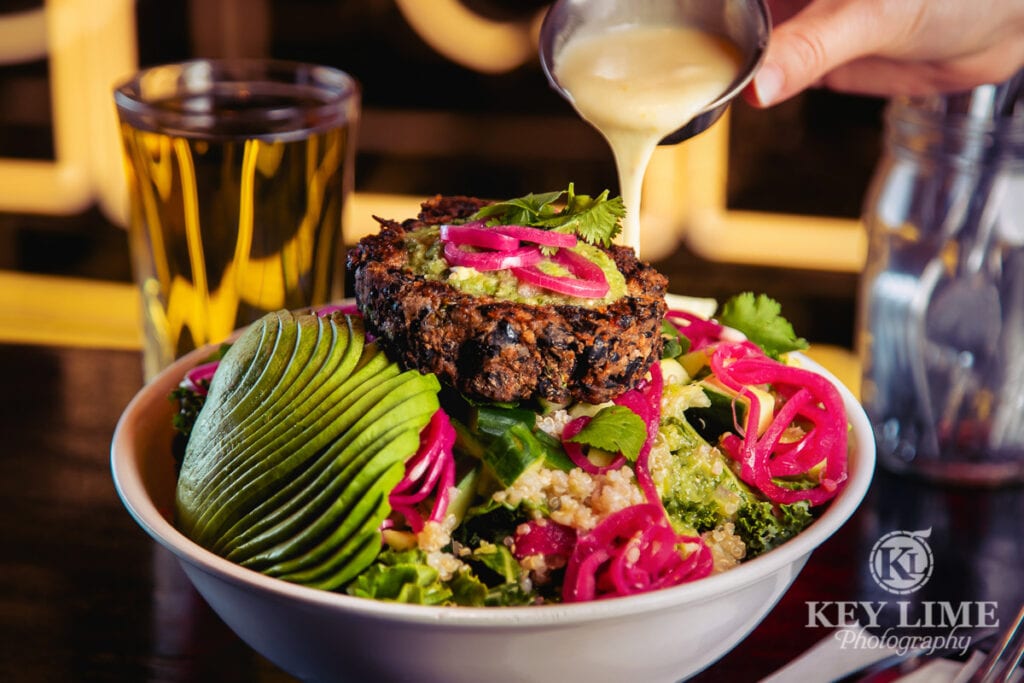
What Common Food Photography Mistakes Are Las Vegas Restaurants Making?
Most diners now decide where to eat before they ever look at a physical menu. They scroll Google Maps, Instagram, TikTok, and delivery apps from their couch, narrowing down options long before they set foot on the Strip or Downtown. According to a 2024 Toast survey of nearly 850 diners, 84% said they specifically want to see photos of food and drinks on a restaurant’s social media page before deciding where to go. In a market as saturated as Las Vegas, where celebrity chef concepts, hotel dining rooms, and late-night spots are all competing for the same scroll, one flat, unappetizing photo is often all it takes to lose a guest to the restaurant next door.
There’s a real difference between documenting food and marketing it. A quick phone snap pulled off the line in the kitchen might capture what a dish looks like, but it rarely captures why someone should want to eat it. Professional food photography is built to do the opposite: it’s strategic, lit, styled, and composed to create an emotional pull, the kind of image that works just as hard on a menu as it does on a website, in a PR pitch, or at a trade show booth.
This article comes from the perspective of photographers who shoot food and hospitality work across Las Vegas every week, and who see the same handful of mistakes repeat across restaurants, bars, and resort properties. Each section below breaks down one of those mistakes, why it happens, and what it actually costs a restaurant in lost bookings, lower engagement, or weaker PR pickup.
Knowing what’s wrong is one thing. Fixing it on a busy kitchen’s schedule, with the right gear for low-light dining rooms, is another. Key Lime Photography works with Las Vegas restaurants, bars, and resort properties every week, bringing professional lighting, styling, and an eye for what actually drives bookings to every shoot. Whether you need a full menu refresh, social-ready content, or images for a PR push, Key Lime Photography can turn your next shoot into the kind of photos that make guests stop scrolling and start ordering. Get in touch with Key Lime Photography at 702-707-3437 to schedule your next shoot.
👉Also Read: What Las Vegas Food & Beverage Photographers Do (And Why Restaurants Need Them)
Why Is Food Photography So Important for Las Vegas Restaurants?
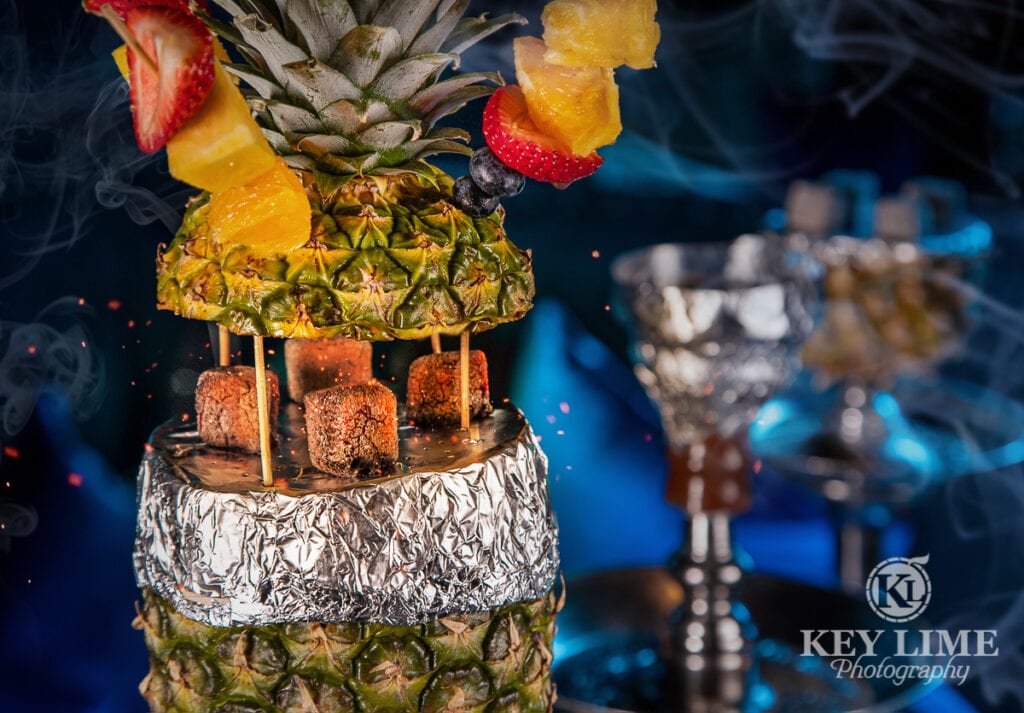
First impressions of Las Vegas restaurants now happen on OpenTable, Google Business Profiles, Uber Eats, and hotel booking sites-often hours or days before a guest lands at Harry Reid International Airport. A single food photo can influence whether a tourist chooses a steakhouse inside a resort, a local picks one ramen shop over another in Chinatown, or an event planner books banquet menus for a 2026 trade show.
Diners consistently say visuals shape their decisions before they ever taste a dish. Roughly 40% of people try a new restaurant after seeing food photos online, and the effect compounds across every touchpoint a Las Vegas property has: lobby digital displays, QR-code menus, in-room dining tablets, convention sales decks, email campaigns, and print materials for hospitality groups.
Both high-end tasting-menu spots and casual 24-hour cafés rely on strong imagery to justify their price point and communicate portion size, atmosphere, and style. When Yelp’s 2023 list of the 25 most-photographed restaurants in the U.S. included four Las Vegas spots, among them Gordon Ramsay Hell’s Kitchen at #1 and Bacchanal Buffet at #2, it’s clear guests in this market expect (and actively seek out) photogenic dishes. Visual consistency across all platforms builds trust, whether people are browsing breakfast buffets, pool bars, or late-night lounges in a single property.
Are Restaurants Using Poor Lighting That Makes Food Look Unappetizing?
Poor lighting is the most common mistake we see across Vegas venues. Blue-tinted LED hotel overheads, harsh 2 AM heat-lamp glow, and moody lounge ambiance turn cocktails muddy and steaks gray on camera.
Here’s why: cameras typically capture 12 to 15 stops of dynamic range, depending on the camera and ISO. A casino dining room can swing from a blazing heat lamp to a near-black booth in the same frame. Your eye adjusts as it scans; a camera locked to one exposure can’t. The result is blown-out highlights or crushed shadows that no edit can fix, plus flattened textures and greasy-looking sauces.
Professional photographers fix this with:
- Key lights and diffusers to soften harsh sources
- Softboxes to mimic clean, dimensional daylight
- Diffused side-lighting to bring out texture and color
- Reflector cards instead of bulky multi-light setups
- Bounce cards to fill shadows on glassware and chrome
Good lighting turns a plate into something people crave.
Is Overediting Ruining the Authentic Look of Restaurant Photography?
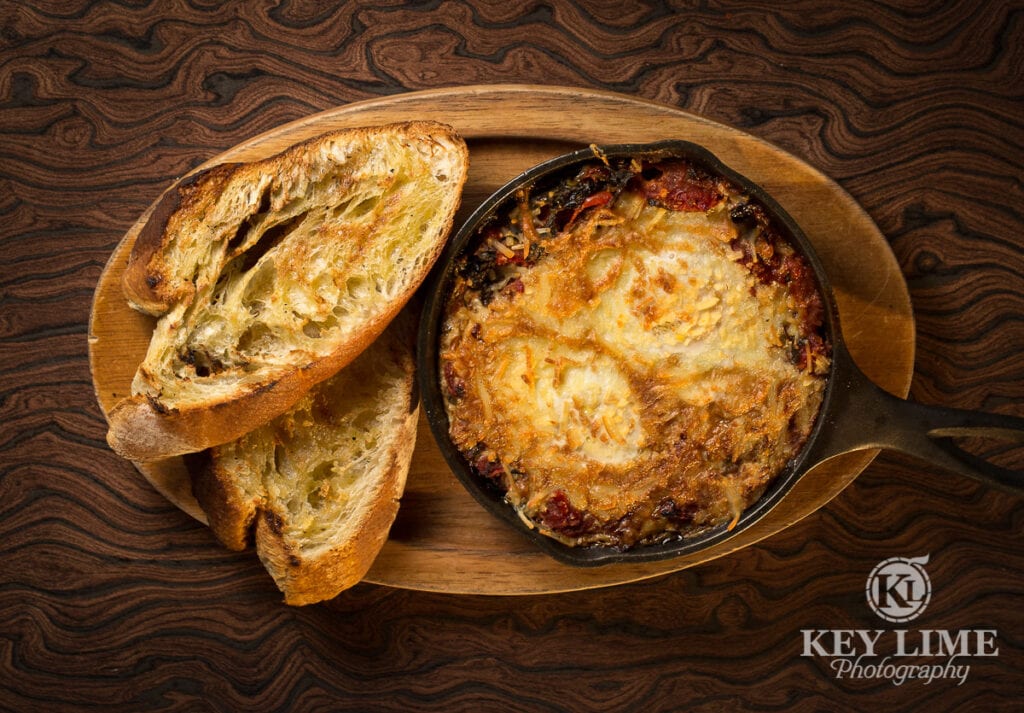
Overediting is the second-fastest way to lose a customer’s trust. Common issues in Las Vegas hospitality marketing include neon-saturated colors that do not exist in real life, extreme sharpening that makes dishes look plastic, and heavy-handed digital editing that often detracts from the food’s natural appeal. Over-saturating food colors can make images look artificial, and guests notice immediately when the cocktail at a rooftop bar or the doneness of a Strip steak does not match what arrives at the table.
This kind of discrepancy shows up in negative reviews: “it doesn’t look like the photo” and “overpriced for what arrived.” Editing should match natural human perception of colors and details, not chase a filter trend. Shooting in JPG rather than RAW loses critical image information for editing, making it harder to correct problems without introducing artifacts.
The better approach is a subtle, professional adjustment:
- Correcting white balance so plate whites read neutral
- Gently enhancing contrast and clarity to bring out textures without distortion
- Cleaning minor crumbs or small imperfections
- Stopping well short of anything the kitchen cannot reproduce on a busy Saturday night
Authenticity matters across both food and event photography. Casinos, resorts, and independent restaurants alike need visuals that feel honest, delicious, and inviting-not overproduced.
Are Restaurants Failing to Match Their Photography to Their Brand Identity?
A luxury Strip steakhouse, a Fremont Street taco shop, and a hip Downtown cocktail bar should never be photographed with the same style, color grading, or compositions. A cohesive brand style is crucial for a restaurant’s digital presence, yet mismatched visuals are everywhere in this market.
Bright, playful pastel backgrounds for a high-priced tasting menu confuse guests about price point and experience. Ultra-moody, dark shots for a family brunch buffet send equally wrong signals. Using wide-angle lenses can distract from the food subject and give a casual, unflattering feel to what should be an intimate, premium moment.
Professional food photographers in Las Vegas typically review menus, branding decks, and existing campaigns before a photoshoot to ensure consistency from websites to billboards and trade show materials. The goal is photography that reflects atmosphere, pricing, service style, and target guests, whether those guests are conventioneers, locals, or tourists.
When brands span locations, a clear visual direction keeps every venue recognizable. Matching photos to a resort’s brand guidelines, aligning images across multiple outlets inside the same hotel, and coordinating with a chef’s signature plating style all require that initial conversation between photographer and client.
Why Do Some Restaurant Photos Feel Cluttered or Distracting?
Many Las Vegas restaurant photos try to show everything at once-buffet lines, multiple dishes, the casino floor in the background-resulting in chaotic images where the hero dish gets lost. Restaurants often overcrowd plates, making dishes look messy and unidentifiable. Ignoring background distractions-slot machines, random signage, busy patterned table linens-pulls the eye away from the food.
Common composition mistakes include:
- Too many props competing with the hero dish
- Using large wilted or excessive garnishes that make food look unappealing
- No clear focal point or visual hierarchy
- The dish occupying too little space in the frame for menu thumbnails
Simplifying props and backgrounds helps make the food stand out. Good composition uses negative space, a single focal point, and supporting elements that enhance the story without stealing attention. Food stylists arrange balanced compositions for appealing presentations and provide design input on linens and flatware choices that complement rather than compete.
Mastering macro details with a preferred lens can highlight specific ingredients-the char on a pepper, the gloss of a reduction, the flake of a pastry. Many top photographers in Las Vegas intentionally remove clutter and leave room in the frame for future marketing text, logos, and price points.
Are Restaurants Ignoring the Importance of Fresh, Updated Photography?
Las Vegas menus change constantly, seasonal tasting menus, chef collaborations, Super Bowl and F1 weekend specials, and limited-time cocktails tied to major conventions and meetings. Yet many delivery menus are materially outdated, often over a year old, even in full-service establishments with regular seasonal shifts.
Outdated photos showing retired dishes, older plating styles, or pre-renovation interiors signal that a brand may not be current. Many restaurants rely on quick smartphone snapshots from a soft opening and then keep those same photos on delivery platforms for years-a habit that weakens marketing efforts over time.
Regularly updated visuals for new dishes, seasonal menus, and holiday buffets help restaurants stay relevant in search results, hotel marketing, and influencer coverage. A practical approach is scheduling quarterly or biannual shoots with a local food photographer so the brand’s imagery evolves alongside the menu. People in this field know that what looked right two years ago may feel like a completely different restaurant today.
Is Inconsistent Photography Hurting Multi-Location Restaurant Brands?
For Las Vegas–based hospitality groups, franchises, and resort food courts, a common problem emerges: each location or outlet hires a different photographer or uses different staff phones, creating a patchwork of styles online.
Inconsistent lighting, colors, and cropping across websites, print menus, and social ads confuse customers, especially when a brand spans the Strip, Henderson, and Summerlin. Multi-location brands need a recognizable visual identity so guests immediately find and recognize the concept on billboards, in-room TV channels, trade show booths, and headshots of their culinary team.
Working with a single professional team allows for shared style guides and shot lists, ensuring continuity over multiple shoots. Consistent photography also makes collaboration easier for PR agencies, social media managers, and in-house marketing departments-everyone works from the same visual playbook.
👉Also Read: Dine and Shine: How Professional Dinner Food Photographers are Elevating Las Vegas Cuisine
Are Restaurants Forgetting About Mobile and Delivery Platform Optimization?
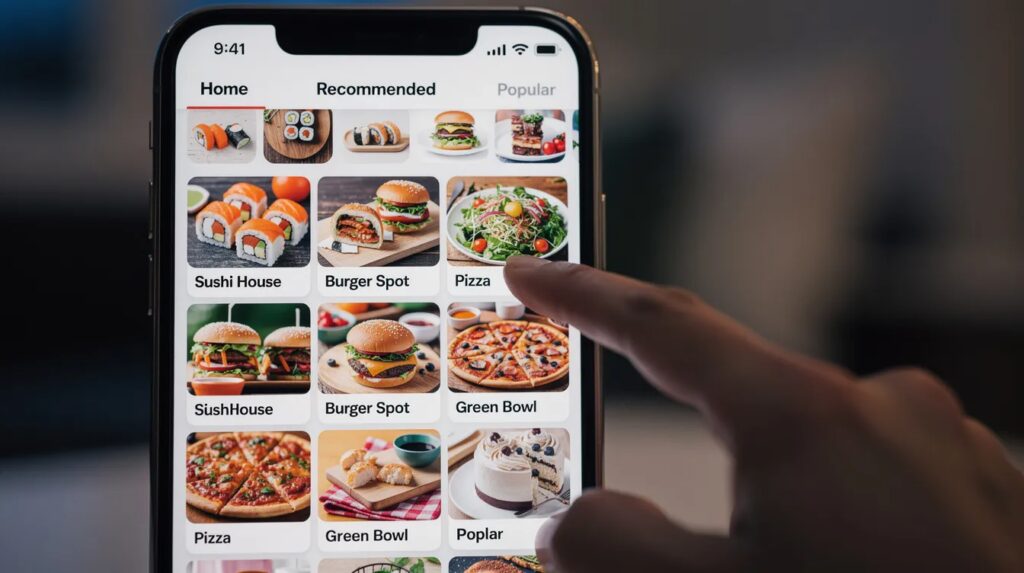
A large portion of Las Vegas food revenue now passes through mobile apps, hotel room-service apps, and social media–driven orders. Delivery thumbnails get roughly 1.2 seconds of attention before consumers scroll past, and many restaurants upload wide, horizontal, or cluttered images that crop poorly into tiny app squares.
Key considerations restaurants overlook:
- Vertical vs. square crops: hero items must be large enough in frame to read at thumbnail size
- Dark corners disappear on small screens, making dishes unrecognizable
- Platform specs require minimum resolution, restrict overlays, and reject images with strong color casts or flash artifacts
- Testing on actual phones reveals whether a plate of nachos or a sushi combo reads in under a second during fast scrolling
During big-event weeks, conventioneers rely heavily on delivery apps from hotel rooms and convention centers. Optimized photos during these windows can bring measurable revenue gains to every restaurant and venue in proximity.
How Can Professional Food Photography Improve Restaurant Marketing?
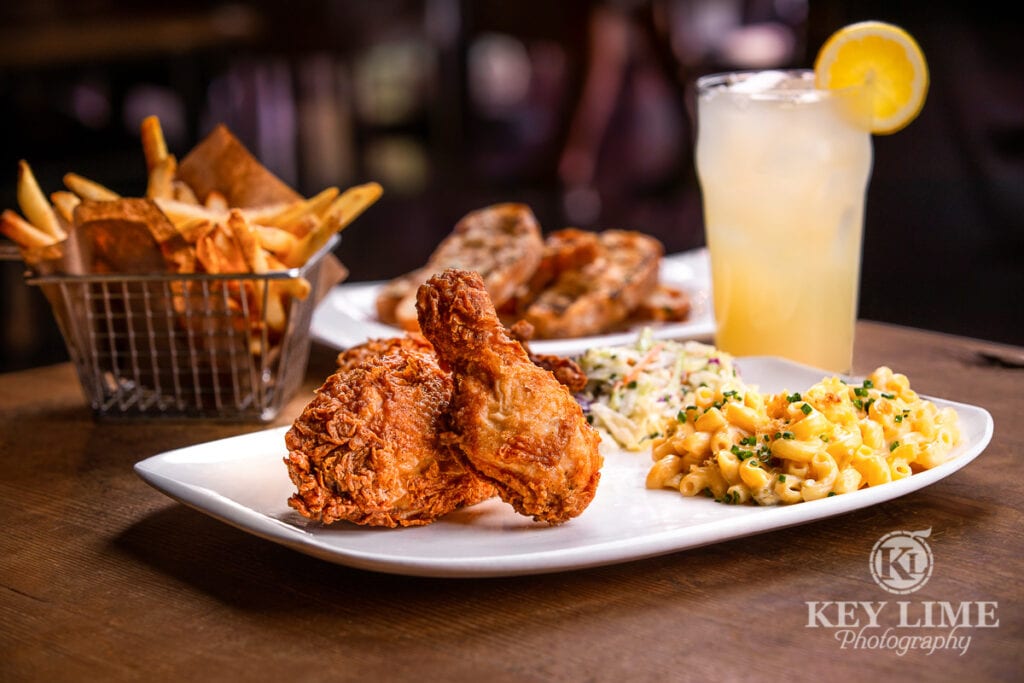
An experienced Las Vegas food photographer does more than capture attractive images-they strategize around marketing goals, target demographics, and real-world usage. Pre-planning photoshoots allows for versatile image outputs: one efficient session can generate assets for websites, social media, digital billboards on the Strip, in-room TV slides, and sponsorship decks for events at the Las Vegas Convention Center.
Not using a food stylist can result in unappealing food presentation, which is why professional shoots coordinate closely. A good food stylist communicates closely with chefs during shoots, and food stylists can maintain food freshness and appearance for up to 20 minutes, making timing and preparation essential. Using a 100mm lens is preferred for food photography because it compresses the scene and isolates the dish with a natural, flattering perspective.
Properties with professional photography see up to 40% higher booking conversion rates on major platforms, and the same principle applies to restaurant listings. Professionals understand hospitality timelines, shooting efficiently during off-peak hours, minimizing disruption to service, and working with chefs and food stylists for maximum freshness. The work goes beyond a single shot; it is about building a library of assets that serve your brand across every channel.
The love and attention an expert photographer brings to your product-whether a beverage program, a signature dessert, or an entire tasting menu-translates directly into how customers perceive your restaurant before they ever walk through the door. The pleasure of a well-executed shoot is that it makes everything downstream, from social posts to trade show banners, easier and more effective.
Are Your Las Vegas Food Photos Helping or Hurting Your Brand?
The biggest mistakes come down to a short list: bad lighting, overediting, off-brand style, cluttered compositions, outdated images, inconsistent visuals across locations, and ignoring mobile and delivery platform needs. In a destination city like Las Vegas, Nevada, where guests choose between dozens of options within one resort, these missteps translate directly into fewer reservations, lower check averages, and weaker event bookings.
Take a close look at your current photos. Do they still reflect today’s menus, interior design, and pricing-or do they feel like last year’s Vegas? In a market where every detail matters, investing in thoughtful, on-brand food photography pays off in higher engagement, stronger word-of-mouth, and a clearer presence in a crowded hospitality home for the world’s most discerning diners.
👉Also Read: Is Hiring a Professional Food Photographer Worth It?
Ready to Elevate Your Restaurant Photography in Las Vegas?
If you are a restaurant owner, hospitality group, PR agency, or in-house marketing team making decisions about food and event photography in Las Vegas, NV, it is time to move beyond ad-hoc smartphone images and inconsistent freelancers. The emotions your food photography creates-or fails to create-shape every guest interaction before they arrive.
Key Lime Photography specializes in food photography and commercial visual content tailored to Las Vegas restaurants, resorts, and trade shows. We handle pre-planning, on-site coordination, and post-production with clear timelines so you can focus on running your restaurant. Connect with us to schedule a consultation, review our portfolio of Las Vegas food and event work, or plan a test shoot for your next menu launch or upcoming convention. Great photos are just a phone call away.
Frequently Asked Questions
How often should Las Vegas restaurants update their food photography?
Most restaurants should plan at least one major shoot per year, but Las Vegas venues benefit from quarterly updates to cover seasonal menus, convention specials, chef collaborations, and major event weekends. A content calendar approach keeps your imagery fresh and relevant.
Can we still use some smartphone photos if we hire a professional food photographer?
Casual smartphone content works well for day-to-day social stories and behind-the-scenes moments. However, core menu items, website hero images, delivery platform photos, and any print or trade show materials should be professionally shot for consistency and quality. The flavors and textures of your dishes deserve better than a quick snap under bar lighting.
What’s different about working with food photographers in Las Vegas compared to other cities?
Local photographers understand resort security policies, casino lighting challenges, trade show schedules, and the fast pace of the Strip. They know how to plan efficient shoots that respect guest experience, navigate venue approval processes, and adapt to the unique lighting conditions found inside Nevada’s resorts and convention centers.
How long does a typical restaurant food photography shoot take?
A typical session runs from a half-day to a full day, depending on the number of dishes, cocktails, and interior shots needed. Tight pre-production planning-including shot lists, brand reviews, and kitchen coordination-keeps the day on schedule and minimizes disruption to service.
Can the same images be used for menus, social media, and trade shows?
With proper planning, absolutely. Shooting variations in both horizontal and vertical orientations, leaving negative space for text overlays, and capturing close-up details alongside wider scene shots allows one session to generate versatile assets for menus, social feeds, websites, and large-format trade show graphics.
Contact Us
"*" indicates required fields